

9 Month Old Sleep Schedule
|
|
Time to read 8 min

|
|
Time to read 8 min
Nine months. Your baby has now spent as long out in the world as they spent getting ready for it. Nine months of growing, nine months of getting to know you. And they know you well. That's the catch, and the charm of this stage. Your baby waves hello to the mail carrier, points at the dog, shrieks with joy when you walk back into the room and then dissolves into tears when you duck into the next room for a minute. This is the peak of separation awareness and as frustrating as it feels at 7pm, it's proof that the bond you've been building is working. Day to day, you're most likely settled into the Moms on Call 8-10 month routine, which keeps the structure you already know (long nights, two naps, three meals, plenty of play) while your baby's abilities multiply almost hourly. Here's a look at what to expect with sleep, feeding, development and the reminders worth tucking away. Every timing and tip for the routine itself lives in the Moms on Call 6-15 Month Book and our online courses.
Good news first: you’ve done the hard work and we’re just building on that. A 9-month-old who's been on a steady routine usually sleeps through the night, takes two naps and wakes up ready for the day. The work this month is protecting that solid sleep foundation while a lot of new things (and feelings) show up. Let's get into the typical 9 month old sleep schedule!
Nights. Ten to twelve hours is the target. If your baby stirs overnight, resist the urge to rush in at the first whimper. Many babies fuss, shuffle around and settle back on their own given a few minutes. It's also normal for the whole household to stir about an hour before wake-up time.
Naps. Two naps remain the plan. If one runs short, don't try to make up the difference by letting the next one stretch long or by pushing bedtime earlier. Keep the day's anchor points fixed and let nighttime sleep do its job.
Bedtime goodbyes. With separation awareness at its peak, bedtime can turn dramatic. A short, predictable ritual helps more than a long, emotional one: bath, pajamas, a story, a cuddle, the same few words every night and then lights out. Say goodnight with warmth and walk out like you mean it. Babies read your confidence and confidence is contagious.
A few wobbly nights. Standing, cruising, teething and new language skills can all rattle sleep for a short stretch. Absent illness, these breakthroughs typically pass in three to five days. Practice the new skills at length during the day (an afternoon of pulling up and cruising works wonders) and keep your response at night calm and unexciting.
Check the crib. A baby who can pull to a stand needs the mattress at its lowest position and nothing in the crib they could climb on. Do the check today if you haven't recently.
Milk still anchors the day but meals now look more like actual meals.
Three solid-food meals. By nine months, most families are offering breakfast, lunch and dinner. Aim for variety: soft proteins, vegetables, fruits, grains and healthy fats like avocado, full-fat plain yogurt and eggs. Babies still need at least 24 ounces of breast milk or formula a day until their first birthday so keep milk feedings on schedule rather than letting solids crowd them out.
Texture, texture, texture. Lumpy mashes, soft shredded foods and bite-size pieces that melt or squish easily are all fair game. As the pincer grasp (thumb and forefinger) takes shape, your baby will happily work on picking up small, soft pieces of food one at a time. Stay within arm's reach during every meal and keep your baby sitting upright.
Cup practice. Straw cups, open cups and spouted cups with the stopper removed all teach different skills. Offer one at every meal with a few ounces of milk or a little water and keep offering even if it ends up on the bib. Moms on Call's Sippy Cups guide has a rundown of options worth trying.
Not yet: Honey is off the menu until after the first birthday.
Handing over the spoon. Don't be surprised if your baby suddenly insists on feeding themselves. Let them. Loading a second spoon for you to use gives you something to do, and it tends to keep the fight out of mealtime.

Get the Full Schedule and More
Our 6-15 Month Book is trusted by over 1 million families.
Order the BookHere's what many parents notice around the nine-month mark:
Waving, clapping and pointing. Your baby has figured out that gestures get a reaction, and they're taking full advantage to get your smiles, laughs and snuggles.
Pulling up and cruising. Standing at the couch gives way to side-stepping along it. Some babies take their first independent steps early; most are still building up to it.
A sharper pincer grasp. Tiny crumbs on the floor? They'll find them and they'll pick them up between thumb and finger.
Sounds with meaning. "Mama" and "dada" may start to connect to actual people. Babbling comes with the tone and rhythm of real conversation.
Playing along. Peekaboo, pat-a-cake and "so big!" get a smile and sometimes a fully committed imitation.
Understanding more than they can say. A head turn at "no," arms up for "up," and a look toward the dog when you say its name all show how much language is growing.
Cause-and-effect experiments. The high chair drop game is not misbehavior. It's science as they learn about cause and effect and it's very interesting to your baby.
Strong feelings about who's in the room. Familiar faces get smiles; unfamiliar ones may get a wary stare or a wail.
Pencil in the 9-month check-up. Many pediatricians include a developmental screening at this visit. Bring your questions on teething, sleep, solids and anything about movement or babbling that you've been wondering about.
Baby-proof at standing height. Cruisers grab whatever's at hand: lamp cords, tablecloths, tippy plant stands and coffee table corners. Anchor furniture and TVs, add corner guards and secure cabinets and drawers.
Keep car seats rear-facing. Stay rear-facing until your baby reaches the maximum height or weight limit set by your seat's manufacturer.
Make goodbyes short. Brief, cheerful separations teach your baby that you always come back. Tiptoeing away tends to backfire.
Talk (constantly). Narrate diaper changes, name what you see on a walk and read a book a day. Your baby is taking it all in. Don’t worry if it feels repetitive or dull - your baby loves hearing the sound of your voice and it’s all new and exciting to them!
Never leave a baby alone in the bath. Standing and reaching make tubs riskier than they used to be.
Want a second set of eyes? A Certified Moms on Call Consultant can help with the routine, nap trouble, or anything else that feels stuck.
You've gone from decoding cries to decoding waves, babbles and a very expressive pointer finger. The routine you've worked hard to build is what's given your baby the security to stretch out and try so many new things. Keep it steady, keep the goodbyes short and enjoy the conversation, because it's only going to get livelier.
Book a consultation with one of our Premier Certified Moms on Call Consultants!
Check out these blogs for more timely support for your 9 month old baby.
Packing Your Baby's Daycare Bag (Checklist)
Mix it Up: Why Diet Diversity is Good for Growing Babies and Toddlers
Separation Anxiety 101: What Every Parent Should Know
That is separation awareness at work and it's a sign of a healthy attachment. Keep the bedtime routine short, predictable and warm (bath, pajamas, a story, a cuddle, the same goodnight words) then place your baby in the crib and leave confidently. A calm, cheerful exit tells your baby that bedtime is safe. Practice brief separations during the day too so goodbyes don't only happen at night. Most babies settle into the pattern within several days of consistency.
Yes. Two naps a day continue to be the plan through this stage. Keep the nap routine and the sleep environment the same each time and use the 15-minute grace period if a nap needs to start a little later. If one nap is short, resist the temptation to make up for it by stretching the next one or moving bedtime earlier. Steady timing from day to day is what teaches your baby's body when to sleep.
Early waking is common and often has a simple fix. First, make sure the room is dark enough (blackout curtains help) and the white noise stays on. Brief stirring before the morning start is normal so give your baby a few minutes to resettle before going in. Start the day at your set time rather than the moment your baby wakes, so the habit doesn't shift earlier.
It's more than okay: it's a sign of growing independence. Offer soft, easy-to-squish finger foods in small pieces and let her practice with a spoon of her own while you use a second one. Keep milk feedings steady because milk is still the main source of nutrition until age one. Keep her sitting tall at every meal with you close by.
Many babies don't connect those sounds to people until closer to a year. What matters more at this age is that your baby is babbling with a variety of sounds, turning to your voice and responding to their name and to simple gestures. Keep talking, naming and reading together. If you're not seeing babbling, responses to sound, or back-and-forth play, bring it up at the 9-month visit.
Crawling and pulling to stand give your baby access to a whole new level of the house and they move quickly. Anchor furniture and TVs, cover outlets, secure cabinets, put gates on stairs and clear small objects from the floor. Getting down on your hands and knees to see what your baby sees is the easiest way to spot the risks.

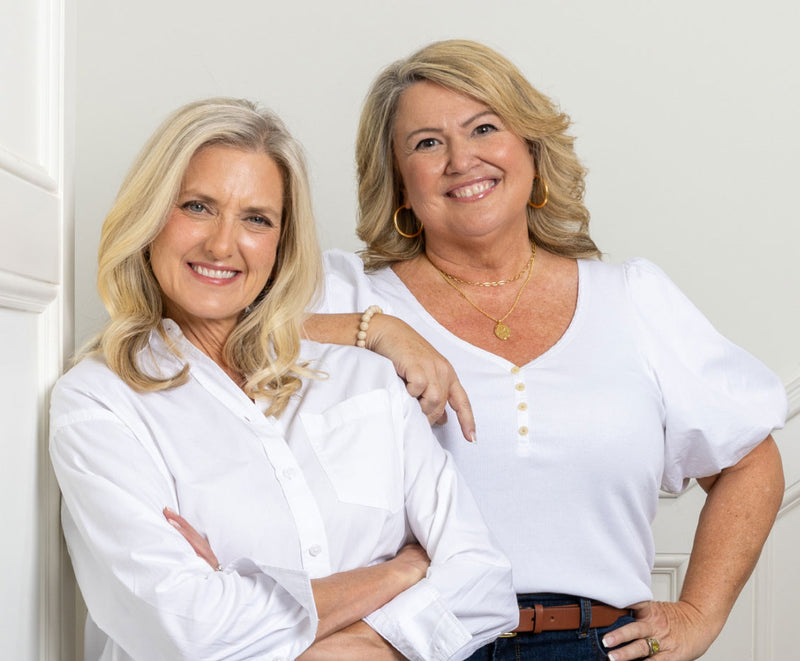
Laura Hunter, LPN and Jennifer Walker, RN, BSN
Co-Founders of Moms on Call, Pediatric Nurses and Moms to 8 kids between them, Laura Hunter and Jennifer Walker created Moms on Call to simplify parenting. Through their books, online courses, podcast and content, they help parents everywhere navigate the first four years with confidence and better sleep.