

When to Wean from a Pacifier: Age and Tips for Parents
|
|
Time to read 5 min

|
|
Time to read 5 min
Pacifiers can be such a helpful little tool during the baby stage. They can calm a fussy baby, help with settling, and become part of a familiar sleep routine. At Moms on Call, we see the pacifier for what it is: something that can serve your baby well for a season. And then, one day, you realize that season probably needs to end.
If you are wondering what age to stop pacifier use or feeling a little nervous about how your child will handle the change, you are not alone. The paci may have been there for hundreds of naps, bedtimes, car rides, and tough moments. But your child can learn to settle without it. And pacifier weaning does not have to become a huge production.
There is not one exact age that is right for every child. During infancy, there is usually no need to rush the pacifier away. Sucking is naturally soothing for babies, and the American Academy of Pediatrics recommends offering a pacifier at naps and bedtime because pacifier use during infancy is associated with a lower risk of SIDS.
As your baby gets older, it makes sense to start thinking ahead. The American Academy of Pediatric Dentistry notes that pacifier use after 12 months may increase the risk of ear infections, and continued use beyond 18 months can begin to affect oral development. It recommends ending nonnutritive sucking habits by age 3.
So, at what age to stop pacifier use? Around your child's first birthday is a great time to start thinking about when the paci will go. That does not mean you need to toss every pacifier the morning they turn one. It simply means the pacifier is starting to move from a useful baby tool into something your child will eventually need to outgrow. There is no need to feel guilty about using it. There is also no need to hold onto it forever.
When deciding when to wean the pacifier, think about how your child is using it now. Maybe the pacifier stays in the crib and only comes out for sleep. Or maybe your toddler is asking for it throughout the day, carrying it around while playing, or struggling to settle anytime it is not available. Both situations are common. They just may call for different timing.
If you have some flexibility, choose a relatively calm stretch for pacifier weaning. A week when your child is sick, you are traveling, or the family is going through another big transition probably is not the easiest time to add one more change. You do not need a perfect week, though. At some point, you simply decide: we are ready. Then the most important part begins. Staying consistent.
If you search how to wean off a pacifier, you will find all kinds of plans, tricks, and complicated systems. We like to keep this transition much simpler. Your child does not need a long explanation or a new routine. They need you to confidently show them what comes next. Here are some of our favorite pacifier weaning tips.
Your calm consistency tells them, "I know this feels different, and I know you can do it." That is really the heart of the Moms on Call approach. For more on making the transition, listen to our Waving Bye Bye to the Pacifier episode.
This is often the part parents worry about most. If your child has fallen asleep with a pacifier every night for months, it is completely understandable to wonder what bedtime will look like without it.
There may be a few tougher naps or bedtimes while they adjust. Keep leaning on the routine they already know. Follow the same bedtime steps, tuck them into the same familiar sleep space, and give them the opportunity to learn that sleep can still happen without the pacifier. Our toddler sleep guidance is built around that same idea: familiar routines and consistent expectations help children know what comes next.
Try not to replace the pacifier with something that requires even more help from you, like rocking completely to sleep or repeatedly returning to the room. The goal of pacifier weaning is to help your child move forward, not trade one sleep habit for another.
If your baby is still little and the pacifier is working beautifully, that is okay too. Our guide to Moms on Call's favorite pacifier explains how we use pacifiers during the baby stage. And if you are worried your child might start sucking their thumb instead, our Thumb Sucking Q&A can help answer those questions.
It is funny how something so small can feel like such a big milestone. The pacifier may have gotten your family through some very long nights and some very fussy afternoons. Saying goodbye to it can feel like another reminder that your baby is growing up. But that is exactly what is happening.
When you decide it is time, trust the routine you have built. Keep things familiar. Stay loving and consistent. And give your child a little space to surprise you with what they can do.
For more support through sleep, feeding, routines, and transitions during this stage, the Moms on Call 6 to 15 Month Online Course can help guide you through what comes next.

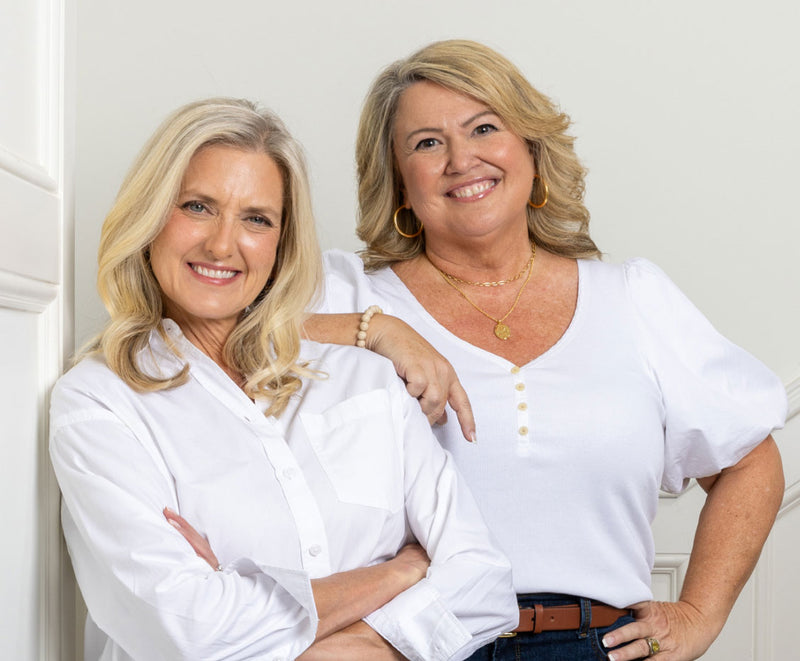
Laura Hunter, LPN and Jennifer Walker, RN, BSN
Co-Founders of Moms on Call, Pediatric Nurses and Moms to 8 kids between them, Laura Hunter and Jennifer Walker created Moms on Call to simplify parenting. Through their books, online courses, podcast and content, they help parents everywhere navigate the first four years with confidence and better sleep.