

What Is a Snoo for Babies
|
|
Time to read 6 min

|
|
Time to read 6 min
If you've spent any time talking with other parents, scrolling social media, or researching baby sleep products, you've probably come across the Snoo. It's one of the most talked-about bassinets on the market, which means it's also one of the products we get asked about most often.
So what is a Snoo for babies? More importantly, what are Moms on Call's thoughts on it?
As with most baby products, our answer starts with the same question: Does it support healthy sleep habits and safe sleep practices?
At Moms on Call, we believe great sleep comes from a combination of age-appropriate routines, consistent feeding schedules, a safe sleep environment, and opportunities for babies to learn independent sleep skills. No product can replace those foundations. That said, many families use a Snoo during the newborn months and want to know how it fits within the Moms on Call approach.
Let's talk about what it is, how it works, and what we recommend for your baby's sleep journey.
A Snoo is a smart bassinet designed for newborns. It uses gentle motion and white noise that automatically responds when a baby cries or becomes unsettled.
One feature that makes the Snoo different from a traditional bassinet is its built-in swaddle system. Instead of using a separate blanket, babies are secured into specially designed Snoo swaddles that attach directly to the bassinet.
The idea is to keep babies safely on their backs while using movement and sound to help soothe them.
Many parents are interested in a newborn Snoo because it promises more sleep for both babies and parents during those early weeks. While every family must decide what products work best for them, we always encourage parents to remember that sleep tools should support healthy sleep habits, not replace them.
Parents are often surprised by our answer.
We don't believe a particular bassinet is the reason a baby sleeps well.
Over the years, we've worked with thousands of families using every sleep setup imaginable. Some babies sleep in a Snoo. Some sleep in a standard bassinet. Some sleep in a crib from the first night.
What consistently makes the biggest difference is following predictable feeding and sleeping rhythms that help babies learn what to expect throughout the day and night.
A Snoo can be one of many tools a family chooses to use. However, the foundation of healthy sleep remains the same:
Full feedings during the day
Consistent age-appropriate routines
A safe sleep environment
Opportunities for independent sleep
Realistic expectations based on your baby's age
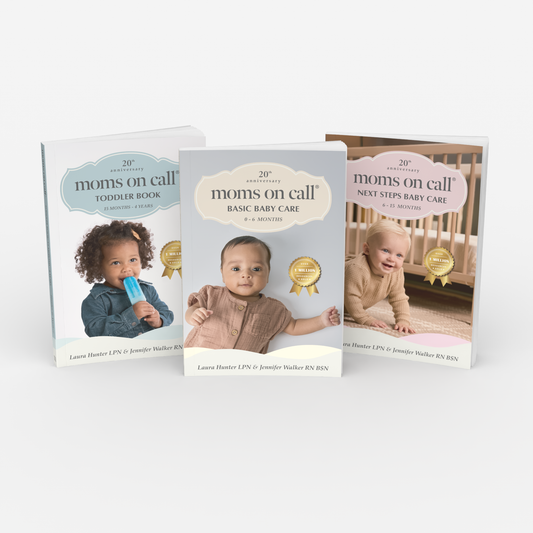
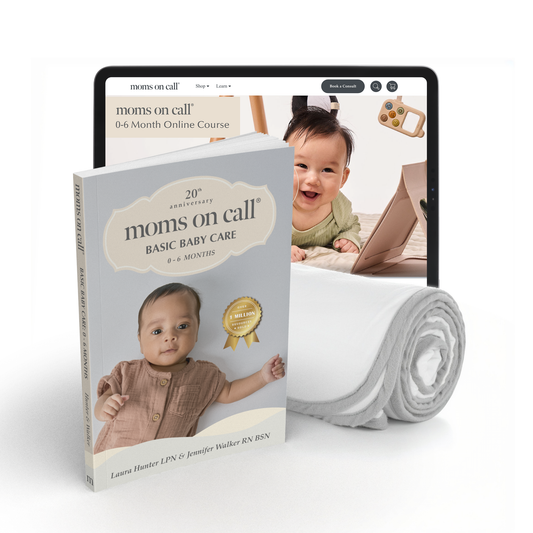
These principles are the heart of our 0-6 Month Book and continue to guide families long after the newborn stage.
One of the most common questions we receive is about Snoo swaddles.
The Snoo uses a special swaddle sack that secures your baby to the bassinet. Unlike a traditional swaddle blanket, the sack clips into the sides of the bassinet to help keep babies positioned on their backs.
For very young newborns, swaddling can be an effective tool because it helps calm the startle reflex that often interrupts sleep.
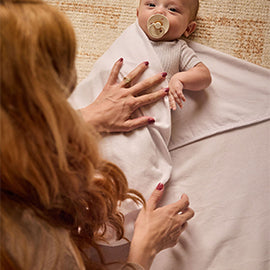
At Moms on Call, we recommend using a properly fitted swaddle during the newborn phase. Our preference is a traditional swaddle using our Baby Swaddle Blanket, which allows parents to create a snug, secure fit while still allowing healthy hip movement. Regardless of which swaddling method you choose, it's important to remember that swaddling is temporary.
Once your baby reaches approximately 12 weeks, 12 pounds, or begins showing signs of rolling over, it's time to transition away from swaddling and allow more freedom of movement.
Some parents ask whether they can use a Snoo without a swaddle.
Technically, the Snoo was specifically designed to work with its swaddle system, so using it without the sack is generally not how the product was intended to function.
More importantly, from a Moms on Call perspective, the bigger question is whether your baby still needs to be swaddled at all.
As babies mature, movement becomes an important part of their development. Once they reach the point where swaddling is no longer appropriate, we encourage transitioning to lightweight cotton sleepwear that allows free movement of the arms and legs.
Another common question we hear involves using the Snoo with arms out.
Many families use a gradual approach when transitioning away from swaddling. This often starts with one arm out, then both arms out, before moving completely away from the swaddle.
While every baby is different, our focus is less on the specific transition method and more on making sure babies have adequate opportunities to develop movement and self-soothing skills as they grow.
If your baby is nearing the age, weight, or developmental milestones that signal the end of swaddling, don't be afraid of the transition. It may take a few nights of adjustment, but most babies adapt beautifully when parents remain consistent.
Parents often ask how to put a baby in a Snoo sack properly.
The specific instructions will vary based on the manufacturer's recommendations, but the goal should always be the same:
Ensure the swaddle fits securely
Avoid loose fabric near the face
Keep hips and legs positioned naturally
Follow all safe sleep guidelines provided by the manufacturer
Whether you're using a Snoo sack or a traditional swaddle blanket, a secure fit is essential. Loose fabric can create safety concerns and often leads to more disrupted sleep.
One of the most searched questions is how long you can use Snoo.
Most families use the Snoo during the newborn and early infant months before transitioning to a crib.
From a Moms on Call perspective, we encourage parents to focus less on a specific product timeline and more on developmental readiness.
Babies grow quickly during the first few months. As they become more mobile and begin showing signs of rolling, sleep environments should change to support those milestones.
Many families find that transitioning to a crib aligns naturally with the same timeframe when swaddling ends and babies begin gaining more independence during sleep.
If you're wondering when to transition out of Snoo, look for the same developmental markers we discuss throughout our sleep resources:
Your baby is approaching 12 weeks and beyond
Your baby is around 12 pounds or more
Your baby shows signs of rolling
Your baby needs more freedom of movement
Your family is preparing for crib sleep
The transition doesn't have to feel overwhelming. In fact, babies who have already been following consistent Moms on Call routines often adjust remarkably well because the schedule, feeding rhythms, sleep environment, and expectations remain familiar even when the sleep space changes.
Parents are often looking for the one product that will help their baby sleep.
We understand. Sleep deprivation can make every new parent willing to try almost anything.
But after years of helping families, we've found that consistency is far more powerful than any bassinet, gadget, or sleep product.
Our recommendations remain the same:
Follow age-appropriate routines
Prioritize full feedings
Create a consistent sleep environment
Use white noise, such as the LectroFan Classic Sound Machine
Swaddle appropriately during the newborn phase
Transition out of swaddles when developmentally appropriate
Give your baby opportunities to learn independent sleep skills
These are the same principles we teach in our 0-6 Month Book, the Moms on Call App, and during our one-on-one consultations with families.
Whether you're using a Snoo, a traditional bassinet, or a crib, remember that healthy sleep is built on consistency, not equipment.
The good news is that you don't have to figure it all out alone.
Our Knowledge Center for 0-6 Months is filled with practical resources for managing sleep, feeding, routines, and all the questions that come with those early months. If you'd like personalized guidance, you can also book a consultation with a Moms on Call expert.
Your baby doesn't need a perfect sleep setup. They need loving caregivers, safe sleep practices, and a consistent routine that helps them thrive. That's what we focus on every day at Moms on Call, and it's what has helped countless families build healthy sleep habits from the very beginning.

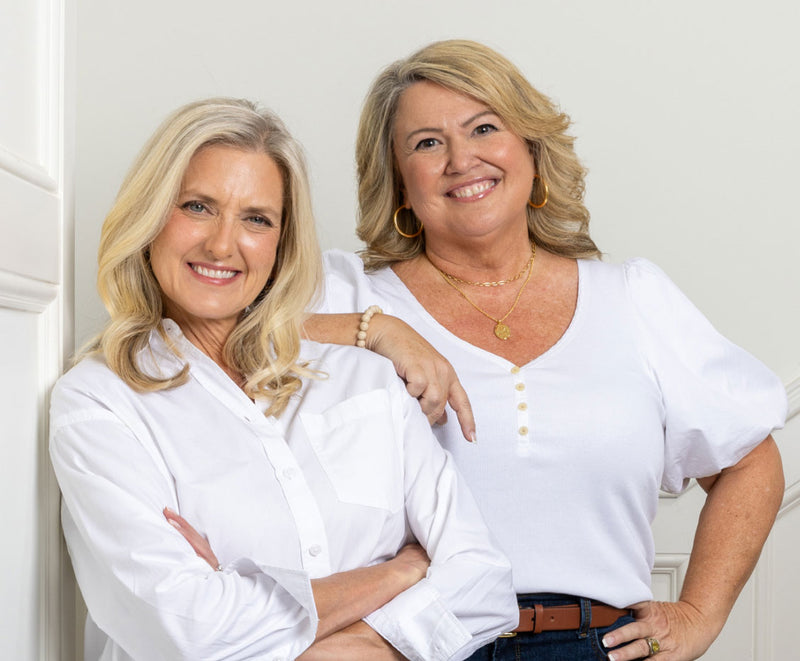
Laura Hunter, LPN and Jennifer Walker, RN, BSN
Co-Founders of Moms on Call, Pediatric Nurses and Moms to 8 kids between them, Laura Hunter and Jennifer Walker created Moms on Call to simplify parenting. Through their books, online courses, podcast and content, they help parents everywhere navigate the first four years with confidence and better sleep.