

The Rise of Intentional Parenting: Why Routines Matter More Than Ever in 2026
|
|
Time to read 4 min

|
|
Time to read 4 min
How predictable rhythms are helping families trade chaos for connection, confidence, and calm.
Parenting in 2026 looks different than it did even a few years ago. Parents are overwhelmed by constant information, conflicting advice, endless scrolling, packed schedules, and the pressure to do everything “right.” Somewhere along the way, many families realized they weren’t looking for more parenting hacks, they were looking for peace.
And that’s exactly why intentional parenting is having such a major moment. Families are shifting away from chaos, overcomplication, and reactive parenting and moving toward something simpler:
More connection
More predictability
More presence
More confidence
More routines
At Moms on Call, we’ve always believed routines aren’t restrictive, they’re freeing. And in a world that feels increasingly loud and overwhelming, predictable rhythms matter more than ever.
Intentional parenting doesn’t mean perfect parenting. It doesn’t mean curated homes, color-coded schedules, or getting every moment right.
Intentional parenting simply means making thoughtful choices that align with your family’s values, priorities, and goals instead of constantly reacting to chaos.
It’s slowing down enough to ask:
What actually matters most to our family?
What helps our children feel safe and secure?
What creates connection instead of constant stress?
What rhythms help our home function with more peace?
For many families, the answer is structure, consistency, and routines.
Modern parenting can feel exhausting.
Parents are carrying more mental load than ever:
Constant notifications
Endless opinions online
Packed extracurricular schedules
Pressure to optimize every stage
Fear of “messing up”
Decision fatigue
Many families are realizing that more information does not always create more confidence. In fact, too many voices often create more anxiety. That’s why there’s a growing movement toward simplified parenting approaches that help families feel calmer, more grounded, and more connected. Parents are no longer chasing perfection. They’re craving predictability.
Children thrive when they know what to expect. Routines create security because they help children understand their world. Predictability allows the brain and body to relax instead of constantly reacting to uncertainty.
Even very young babies begin learning patterns:
Feeding
Rest
Play
Connection
Sleep
These rhythms help children feel safe.
And when children feel safe, they often become:
More confident
More independent
More emotionally regulated
More adaptable
More secure
Routines aren’t about control.
They’re about creating stability in a world that can sometimes feel big and unpredictable.
One of the biggest misconceptions about routines is that they make life rigid. But healthy routines actually reduce stress because they eliminate constant guessing.
Instead of wondering:
“When should the baby nap?”
“Why are evenings always chaotic?”
“Why is bedtime such a battle?”
“Why does every day feel reactive?”
Families begin operating with more rhythm and predictability. For children, routines help reduce overstimulation and emotional overwhelm. For parents, routines reduce mental fatigue because fewer decisions have to be made all day long. That doesn’t mean every day goes perfectly. It means your family has a foundation to return to. At Moms on Call, we often say routines create freedom, not restriction.
One of the beautiful things about predictable routines is that they help children become more capable over time.
When children know what comes next, they begin participating more confidently in daily life.
Simple routines help children learn:
Transitions
Responsibility
Self-regulation
Independence
Emotional security
Even bedtime routines can become powerful moments of connection and confidence. When children know: “Bath, pajamas, books, cuddles, bed…” …their bodies and brains begin preparing for rest naturally. Predictability builds trust.
Intentional parenting often looks much simpler than social media makes it seem.
It may look like:
Prioritizing family dinners a few nights a week
Protecting bedtime routines
Limiting over scheduling
Creating calmer mornings
Being fully present during small moments
Saying no to unnecessary chaos
Establishing predictable rhythms at home
It’s not about doing more. Often, it’s about doing less, but with greater purpose.
The goal is not perfection. The goal is creating enough predictability that your family feels calmer and more connected. If routines feel overwhelming, start small.
Focus on:
Morning routines
Nap routines
Mealtimes
Bedtime
Consistency in even one area can create noticeable change.
A routine does not need 15 steps to be effective.
For example:
Dinner
Bath
Pajamas
Books
Bed
Simple rhythms are easier to maintain consistently.
Real life includes:
Travel
Teething
Busy seasons
Sick days
Holidays
Hard moments
Missing a routine occasionally does not ruin it.
Children benefit most from consistent patterns over time, not perfect execution every single day.
Intentional parenting is not about copying someone else’s perfectly curated schedule online. It’s about finding rhythms that support your family well. At Moms on Call, we believe routines should support families, not overwhelm them.
For years, Moms on Call has helped families simplify parenting through practical, predictable routines that actually work in real life. Not because routines make children “perfect."
But because routines help families feel calmer, more connected, and more confident. In a world full of noise, many parents are discovering something powerful: Predictability creates peace. And sometimes the most intentional thing we can do as parents is create rhythms that help everyone breathe a little easier. Because Parenting Simplified isn’t about doing everything perfectly. It’s about creating a home where connection, consistency, and confidence can grow.
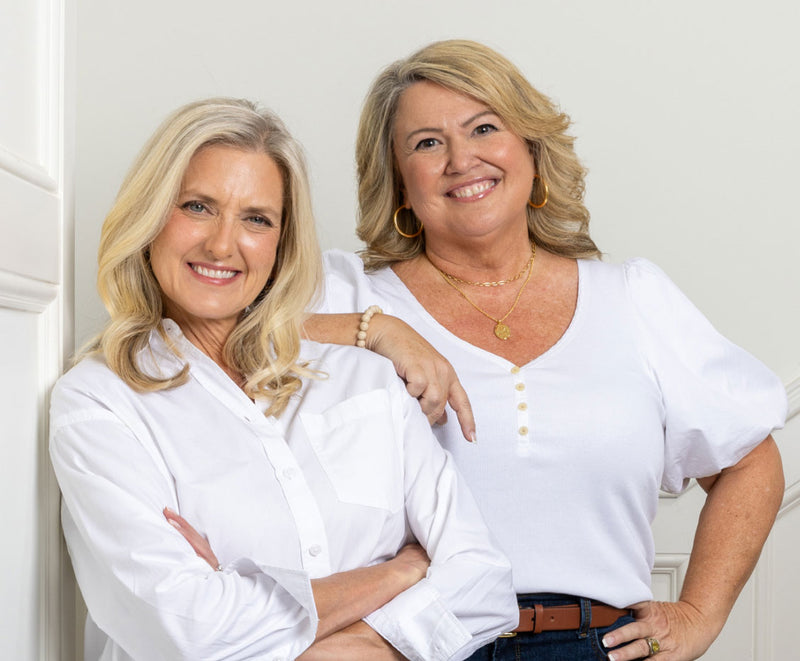
Laura Hunter, LPN and Jennifer Walker, RN, BSN
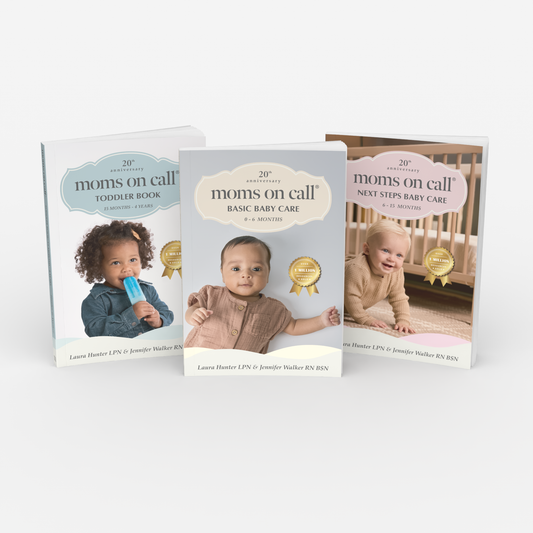
Co-Founders of Moms on Call, Pediatric Nurses and Moms to 8 kids between them, Laura Hunter and Jennifer Walker created Moms on Call to simplify parenting. Through their books, online courses, podcast and content, they help parents everywhere navigate the first four years with confidence and better sleep.
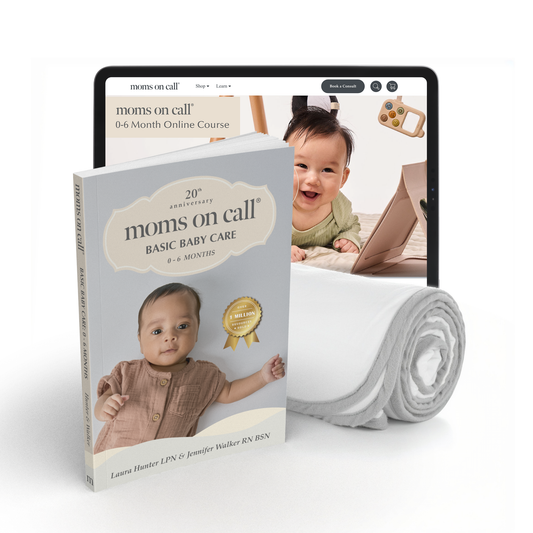
Shop the Post
0-6 Month Book (20th Anniversary Edition)
$26.99