

The “Butter Before Bed” Trend: What Parents Need to Know About Sleep Hacks
|
|
Time to read 4 min


|
|
Time to read 4 min
Why viral TikTok sleep tips aren’t always the answer, and what actually helps babies and toddlers sleep. Parents will try almost anything for sleep. And honestly, we get it.
When you’re awake at 2 a.m. bouncing a baby, reheating coffee for the third time, and scrolling TikTok looking for answers, a simple “sleep hack” can sound incredibly tempting.
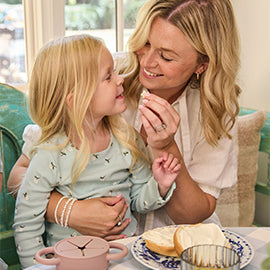
The latest trend making the rounds online? Giving children butter before bed to help them sleep longer.
At Moms on Call, we know exhausted parents aren’t looking for gimmicks, they’re looking for relief. But when it comes to your child’s sleep, it’s important to separate internet trends from evidence-based routines that actually work.
Here’s what parents need to know about the “butter before bed” trend and what truly supports healthy sleep habits for babies and toddlers.
The viral TikTok trend suggests giving babies or toddlers a spoonful of butter before bedtime to help them sleep through the night. The theory? Some claim the fat keeps little ones fuller longer, helping them sleep more soundly.
While it may sound harmless, there’s no scientific evidence that butter improves infant or toddler sleep. And more importantly, it distracts parents from the real foundations of healthy sleep.
Sleep deprivation is one of the hardest parts of early parenting. When families are exhausted, overwhelmed, and searching for solutions, quick-fix trends can feel hopeful. Social media often promises “one simple trick” that will magically solve sleep struggles overnight.
But most sleep challenges aren’t caused by a lack of butter, special snacks, or secret ingredients.
They’re usually connected to:
Overtiredness
Inconsistent routines
Sleep associations
Developmental milestones
Environmental disruptions
Lack of predictable sleep cues
That’s why lasting sleep success almost always comes from consistency, not gimmicks.
This is one of the most common parenting myths.
Parents often hear:
“Add cereal to the bottle.”
“Give a heavy snack.”
“Try butter before bed.”
But sleep is developmental and neurological, not simply about fullness.
A child who is overly full before bed may actually become more uncomfortable overnight. And introducing foods solely to “make them sleep” can sometimes create unhealthy patterns around feeding and sleep.
It’s important to focus on:
Full daytime feedings
Age-appropriate routines
Consistent nap timing
Predictable bedtime routines
Safe sleep practices
Learning healthy sleep habits over time
At this age, nighttime sleep is far more connected to development, routines, and consistency than to adding extra fats or heavy foods before bed.
Toddlers may benefit from a balanced bedtime snack if dinner was early or light, but the goal is nourishment, not sedation.
Helpful bedtime snack ideas might include:
Banana with peanut butter
Yogurt and fruit
Cheese and whole grain crackers
Oatmeal
Cottage cheese and berries
What matters most is:
Consistent bedtime timing
Avoiding overtiredness
Balanced nutrition throughout the day
Predictable routines
Limiting stimulation before bed
A spoonful of butter alone is unlikely to improve sleep, and may simply become another thing exhausted parents feel pressured to try.
At Moms on Call, we’ve helped countless families build healthy sleep habits, and the biggest sleep changes usually come from a few key areas.
Children thrive on predictability. Consistent naps, feeding times, and bedtime routines help regulate the body’s internal clock and create security around sleep. Even small shifts in timing can affect nighttime sleep.
Babies and toddlers need adequate calories throughout the day, not just before bed.
Structured daytime meals and feedings often help reduce unnecessary nighttime waking more effectively than adding extra bedtime calories.
Bedtime routines act like cues to the brain that sleep is coming.
A calming routine might include:
Bath
Pajamas
Feeding or snack
Books
Prayers or cuddles
Bed
The goal isn’t perfection. It’s consistency and connection.
Sleep environments matter more than many parents realize.
Helpful sleep supports include:
Dark room
Consistent temperature
White noise
Minimal stimulation
Safe sleep space
Some sleep struggles are simply developmental. Sleep regressions, teething, growth spurts, travel, and milestones can temporarily disrupt sleep, even with great routines in place. That doesn’t mean you’re doing something wrong.
Instead of viral hacks, here are strategies that truly support better sleep:
Children feel safer when they know what to expect. Even if life gets busy, protecting bedtime routines whenever possible creates consistency that pays off long-term.
Overtired babies and toddlers often sleep worse at night, not better. Good naps help nighttime sleep tremendously.
For older babies and toddlers, focus on balanced meals and snacks throughout the day rather than “heavy” bedtime foods.
Think:
Protein
Healthy fats
Fruits and vegetables
Complex carbohydrates
Screens, loud activity, and chaotic evenings can make it harder for children to settle. A calm transition into bedtime matters.
The internet is full of opinions. But families deserve guidance rooted in experience, safety, and child development. At Moms on Call, we focus on practical routines that help the entire family rest, not quick fixes that create more confusion.
We understand why parents are drawn to viral sleep hacks. When you’re exhausted, hopeful solutions are hard to ignore. But healthy sleep usually doesn’t come from a trending ingredient. It comes from rhythms, routines, consistency, and realistic expectations.
If you’re struggling with sleep, you are not alone. And you do not need to chase every internet trend to help your child rest well.
Sometimes the most effective solutions are also the simplest:
Predictable routines
Full daytime feedings
Healthy sleep habits
Calm consistency
Support you can trust
Because parenting simplified will always beat parenting overwhelmed by internet noise.
Laura Hunter, LPN and Jennifer Walker, RN, BSN
Co-Founders of Moms on Call, Pediatric Nurses and Moms to 8 kids between them, Laura Hunter and Jennifer Walker created Moms on Call to simplify parenting. Through their books, online courses, podcast and content, they help parents everywhere navigate the first four years with confidence and better sleep.