

How to Use a Nipple Shield to Breastfeed?
|
|
Time to read 4 min

|
|
Time to read 4 min
Breastfeeding doesn’t always come naturally at first—for parents or babies. Some newborns struggle to latch, while others may feed inconsistently due to sleepiness or early feeding challenges. At the same time, moms may experience nipple soreness or sensitivity as they adjust. At the end of the day, sometimes you just have to use a nipple shield because of the way their body or your body is designed.
A nipple shield is one tool that can offer gentle support during this stage. In this guide, we’ll walk through what a nipple shield does, when it may be helpful, and how to use a nipple shield to breastfeed effectively. For more support, explore the Moms on Call Knowledge Center for additional breastfeeding resources.
A nipple shield is a thin, flexible silicone cover that fits over the nipple during breastfeeding. It’s designed to help babies latch more easily while still allowing milk to flow naturally.
Most nipple shields are made from soft, food-grade silicone and feature small openings that let milk pass through as your baby nurses. They’re typically used as a temporary tool while breastfeeding improves and both mom and baby become more comfortable.
If you’re wondering what does a nipple shield do, its primary role is to support feeding when challenges arise.
A nipple shield can:
Help babies latch more effectively
Provide a barrier for sore or sensitive nipples
Support babies who are still learning to nurse
Add structure during early feeding difficulties
When used correctly, breastfeeding nipple shields can make feeding more manageable and less stressful while you build confidence.
There are several situations where using a nipple shield may provide support:
Difficulty achieving or maintaining a latch
Flat or inverted nipples
Sore, cracked, or sensitive nipples
Premature or sleepy babies who struggle to feed consistently
While helpful, nipple shields are generally intended for short-term use as feeding improves.
Proper sizing is key for comfort and effectiveness. A well-fitting shield should allow your nipple to move freely inside without rubbing or feeling too tight. The right size supports both milk flow and a better latch.
Turn the shield partially inside out, center it over your nipple, and gently stretch it onto the breast. This helps create a secure seal and keeps it in place during feeding.
Guide your baby to latch onto the entire shield—not just the tip. A deep latch should include the shield and surrounding breast tissue, just like a typical breastfeeding latch.
Look for signs that feeding is going smoothly:
Rhythmic sucking
Audible swallowing
A calm, relaxed baby after feeding
These cues help confirm your baby is transferring milk effectively.
After each use, wash the nipple shield thoroughly with warm, soapy water and allow it to air dry. Regular sterilization helps keep it clean and ready for the next feeding.
The Munchkin Flow Nipple Shield is thoughtfully designed to make breastfeeding with a shield more intuitive and reassuring.
Key features include:
A visible milk channel so you can see milk flow during feeding
Soft, food-grade silicone for comfort
A shape that supports a natural latch
A starter kit with a sterilizing case and cleaning syringe
Explore more details on the Munchkin Flow Nipple Shield product page to see how it can support your feeding journey.
Using a nipple shield can be one part of establishing consistent feeding patterns. Newborns thrive on predictable rhythms, and pairing supportive tools with a structured approach can make feeding more manageable.
Moms on Call offers guidance on newborn feeding schedules and breastfeeding routines to help you build consistency and confidence from the start.
While nipple shields can be helpful, it’s important to seek additional support if challenges continue.
Consider reaching out to a lactation consultant or healthcare provider if you experience:
Ongoing or worsening pain
Difficulty getting your baby to latch
Concerns about milk transfer or weight gain
Early support can make a meaningful difference in your breastfeeding experience.
Breastfeeding is a learning process, and it’s okay to need support along the way. Tools like nipple shields can provide temporary assistance while you and your baby build confidence and develop a strong feeding routine.
With the right guidance, support, and patience, you can navigate early challenges and create a feeding experience that works for both you and your baby. Looking for more expert guidance you can trust? Moms on Call offers practical, step-by-step support for feeding, sleep, and newborn care, so you can feel confident in every stage of your parenting journey. A nipple shield never means that you failed. It means that you solved the problems that helped you provide the best care for your baby.
Explore the Moms on Call resources, schedules, and courses to help you build a routine that works for your family.

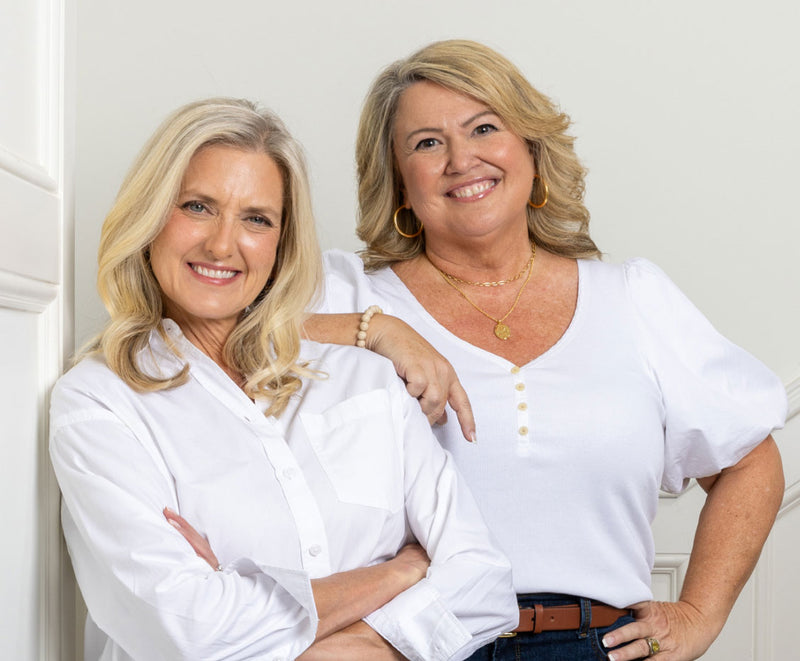
Laura Hunter, LPN and Jennifer Walker, RN, BSN
Co-Founders of Moms on Call, Pediatric Nurses and Moms to 8 kids between them, Laura Hunter and Jennifer Walker created Moms on Call to simplify parenting. Through their books, online courses, podcast and content, they help parents everywhere navigate the first four years with confidence and better sleep.