

10 Month Old Sleep Schedule
|
|
Time to read 8 min


|
|
Time to read 8 min
Welcome to double digits. Sometime in the past few weeks, a very small person started saying no. Not with words but with a head shake, a pushed-away spoon and a floppy-noodle protest on the changing table. It can be adorable and maddening at the same time. Your baby has noticed that they're a separate person with preferences and they'd like you to know alllllll of them. That determination shows up everywhere: cruising laps around the coffee table, yanking the spoon out of your hand, crawling toward the one outlet you haven't covered yet. This is the month to lean on structure because a baby who's pushing for independence is also a baby who feels safest when the day is predictable. You're likely nearing the end of the Moms on Call 8-10 month routine with the 11-month routine just around the corner. Below, you'll find what's happening with sleep, food, skills and safety plus the small things worth remembering. For every timing and tip in the routine, turn to the Moms on Call 6-15 Month Book and our online courses.
Ten months brings energy by the bucketful and a baby who has plenty to do and plenty to say about it. A steady routine is the counterweight. Here's what you need to know about your 10 month old's sleep schedule:
Nights. Expect ten to twelve hours of sleep. If your baby wakes, pause before you go in. A few minutes of fussing is common, and many babies find their way back to sleep without help. When you do need to step in, keep it dull: low light, quiet voice, no play, no lingering.
Naps. Two naps a day. If your baby starts putting up a fight, keep the nap routine exactly the same and offer the nap opportunity anyway. A baby who skips one nap doesn't need extra daytime sleep later to compensate; the next scheduled sleep is the make-up.
Reading the signs for what's next. The book's 11-month routine is the next stop. If your baby is alert for longer stretches, is fighting naps regularly or is taking noticeably longer to settle at bedtime, jot down the pattern over a week. One rough night is just a rough night; a repeating trend is information to help you adjust to the next routine.
When bedtime becomes a negotiation. A newly opinionated baby may protest the crib, stand and rattle the rail or demand "one more" of everything. Stay friendly and firm. Say the same goodnight, give the same cuddle and leave. The routine isn't a punishment; it's the thing your baby is counting on.
Teething nights. New teeth can make sleep patchy. Offer comfort, a cold teether during the day and extra cuddles, but keep the nighttime routine the way it's been. If your baby seems unwell, has a fever or is inconsolable, call your pediatrician.
Ten months is where meals get entertaining, and a lot messier.
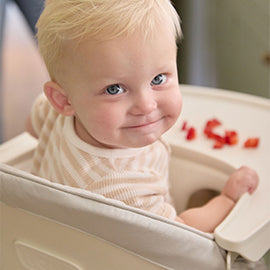
The self-feeding era. Your baby's hands are now more coordinated and they want to be in charge. Offer soft finger foods in pieces small enough to pick up and chew and let them practice with a spoon you've preloaded. You'll be wiping up for a while, but the skills they're building will help you enjoy family dinners in the preschool years.
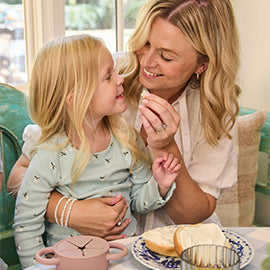
Eat together. Sit your baby at the table for family meals whenever you can. Babies learn by watching and a plate that looks like yours is more interesting than anything on a tray. Adapt what you're eating by cutting, mashing or softening it and go light on salt and added sugar.
Know the choke risks. Stay close and make sure your baby is sitting up straight for every bite and sip. Common hazards include whole grapes, nuts, popcorn, hard raw vegetables, chunks of meat or cheese and round slices of hot dog. Cut foods small and soft and ask your pediatrician if you aren't sure about something. An infant CPR class is a worthwhile investment.
Milk keeps its seat at the table. Until the first birthday, breast milk or formula does the heavy nutritional lifting (24 ounces a day is the minimum) so don't let solids mean that your baby isn’t getting the bottle. Pouring it into a cup at meals and snack times builds the skill at the same time.
Water, not juice. Small sips of water with meals are fine. Juice isn't recommended for babies under 12 months.
Growing appetite, varying tastes. Some days your baby will devour everything; others, almost nothing. That's normal. Offer, don't pressure and look at the whole week rather than one meal.

Get the Full Schedule and More
Our 6-15 Month Book is trusted by over 1 million families.
Order the BookA few developments you may spot this month:
Cruising with confidence. Lap after lap around the furniture, sometimes with one hand, sometimes with none. A few babies stand alone for a moment or take a first step or two.
Climbing. Stairs, couch cushions, your legs. If it goes up, your baby wants to climb it.
Copying you. Banging a spoon on a pot, putting a phone to their ear and mimicking sounds and gestures show how closely your baby is watching.
Stronger communication. More pointing, clapping, waving bye-bye and a bigger repertoire of babbled "words." Some babies say "mama" or "dada" and mean it.
Putting things in and taking them out. Containers, bins and baskets get emptied and refilled repeatedly. This is early problem solving.
A head shake for "no." And occasionally for "yes," just to keep you guessing.
New teeth. Top and bottom front teeth often arrive around now, along with more drool and chewing.
Big, bold emotions. Delight, frustration and everything between show up quickly. Naming the feeling ("You're mad that we stopped") helps your baby start to understand feelings as they come and go.
Block off stairs and anchor furniture. A climber and cruiser needs gates at both ends of the stairs and heavy furniture bolted to the wall.
Go barefoot at home. Bare feet help new walkers feel the floor and build balance. Shoes are mostly for outside protection.
Brush those teeth. As soon as the first tooth appears, brush twice a day with a smear of fluoride toothpaste the size of a grain of rice. Schedule a first dental visit by the first birthday.
Read together daily. Books build vocabulary and a story is a calm bridge into naptime and bedtime.
Look ahead to the 12-month check-up. Add questions as you think of them. Whole milk, naps, walking and speech all tend to come up.
Know when to call. A lost skill, no babbling at all, or a baby who resists standing on their legs altogether is worth a call to your pediatrician before the next scheduled visit.
Need support? A Certified Moms on Call Consultant can help you customize the routine for your family.
Independence is messy, loud and a little exhausting. It's also exactly what you've been working toward and the secure foundation you've built is what makes it possible. Your baby feels safe enough to push, to test and to try. Keep the routine as their home base, and cheer from the sideline
Book a consultation with one of our Premier Certified Moms on Call Consultants!
Check out these blogs for more timely support for your 10 month old baby.
How to Simplify Running Errands with a Baby
Real-Life Routines: A Day in the Life of 3 Moms on Call Consultants
How to Move to the Next Moms on Call Routine
Staying Out Past Bedtime Using Moms on Call
Nap resistance is common at this age, because there's so much more to see and do. Keep the nap routine the same every time (diaper change, snuggles, a story), put your baby down at the usual time and give the nap a fair chance even if there's some fussing. If the nap doesn't happen, don't extend the next one or move bedtime earlier. Stay with the schedule and try again at the next sleep time. If it continues for more than a week, a Moms on Call Consultant can help you troubleshoot.
Yes. There's a big window for first steps and many babies aren't walking until after the birthday. What counts is that your baby is building toward it by pulling up, cruising and bouncing on their feet. If they refuse to take any weight on their legs, move mostly on one side, or have lost a skill, mention it to your pediatrician.
Dropping food is a developmental stage and your baby is learning about gravity, cause and effect and your reactions. Stay calm, say "all done" if it becomes the main activity and end the meal. Offering smaller portions at a time and sitting at the table together, tends to cut down on the toss-and-giggle game.
Offer a chilled teether or a clean, cold washcloth to chew on during the day and keep your nighttime response soft and brief if your baby wakes. Maintain the same bedtime routine, since consistency helps your baby settle after a rough night. Reach out to your pediatrician for a fever, real distress, or crankiness that drags on for several days.
As soon as the first tooth shows up. Use a soft infant toothbrush with a smear of fluoride toothpaste the size of a grain of rice, twice a day. Plan a first dental visit by your baby's first birthday and ask your pediatrician if you have questions about fluoride.
Juice isn't recommended before the first birthday. Breast milk or formula supplies the nutrition your baby needs, and small sips of water with meals are fine. Whole fruit, mashed or cut into soft pieces, is a better way to offer fruit.

Laura Hunter, LPN and Jennifer Walker, RN, BSN
Co-Founders of Moms on Call, Pediatric Nurses and Moms to 8 kids between them, Laura Hunter and Jennifer Walker created Moms on Call to simplify parenting. Through their books, online courses, podcast and content, they help parents everywhere navigate the first four years with confidence and better sleep.